

Why hitting a ball with a racket never gets old
The clean strike, the rally that won't end, the shot you'll still be thinking about on the drive home. Why racket sports hook us, and why getting good at them takes a lifetime.
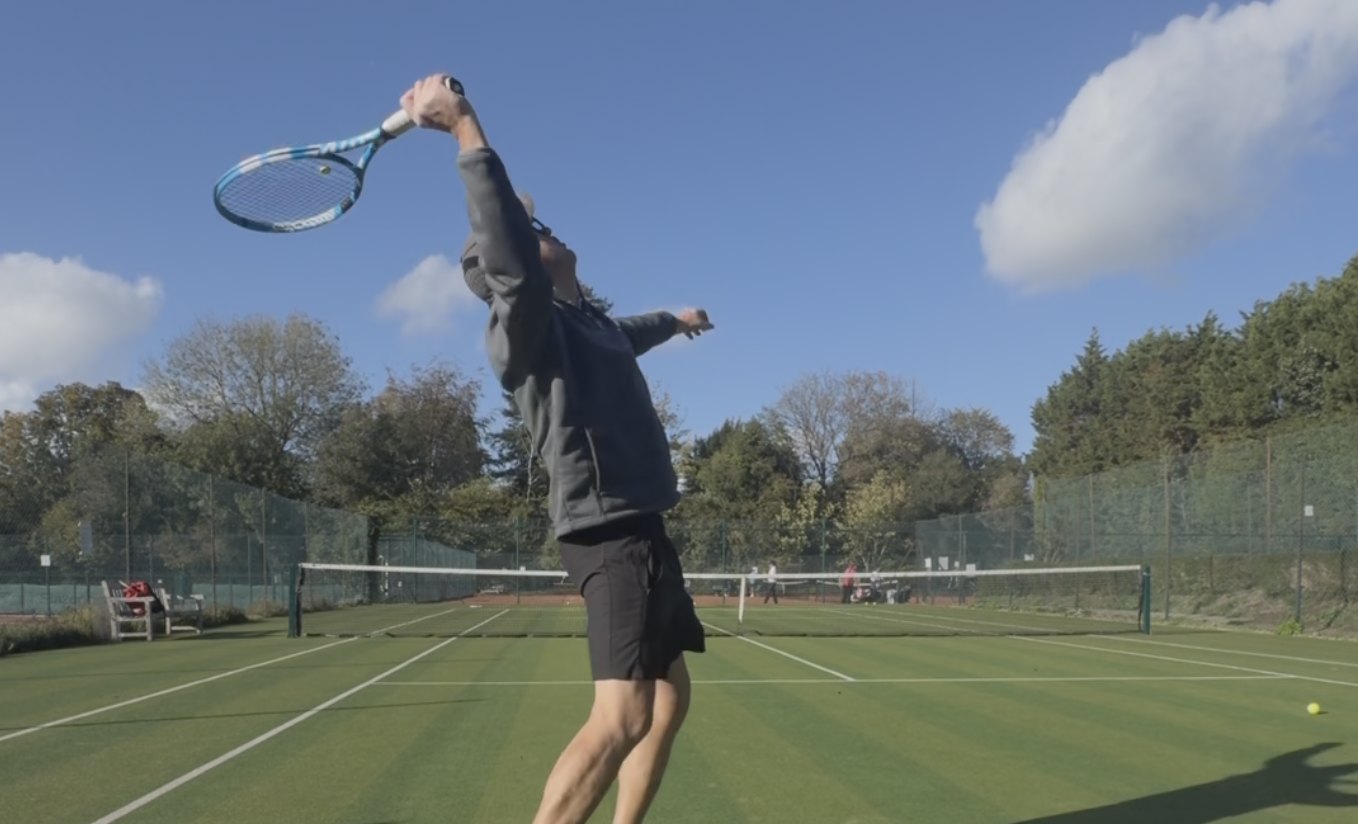
There is a sound a ball makes when you hit it properly. Every racket sport has its own version: the dull thock of a padel ball off a solid face, the crack of a tennis ball off the strings, the click of a 2.7 g plastic ball off a table tennis bat. You know it the instant you hear it, and you want to hear it again.
That is most of the story of why people play racket sports, and keep playing them for forty years. Here's why the feeling is so hard to shake, and why chasing it never gets easy.
The pull: a tiny problem, solved in real time
Strip a racket sport down and it is a strange thing to enjoy. A ball comes at you. You have a fraction of a second to judge its speed, spin and bounce, move your body to the right place, and swing a tool at it so that the face meets the ball at the right angle, at the right moment, in the right part of the strings. Then you do it again. And again.
Each shot is a small, complete problem with an instant answer. You don't wait to find out whether you got it right; the ball tells you. Psychologists who study flow describe exactly these conditions: clear goals, immediate feedback, and a challenge pitched just above your current skill. Racket sports deliver all three, hundreds of times an hour.
Three things make it stick.
The sweet spot. A racket extends your arm, and the reward for using it well is out of all proportion to the effort. A relaxed swing that finds the middle of the strings goes further and faster than a hard one that doesn't. That gap between effort and result is why a clean shot feels like a small magic trick, and why a beginner's first good one is so memorable.
The rally. One good shot is nice. Six in a row, with someone sending them back, is a conversation. The rally is the unit of every racket sport, and it is social by design: you can't have one without another person trying, in their own way, to keep it going (or to end it on their terms).
Variable reward. You don't know which shot will be the good one. Most are fine, some are terrible, a few are perfect. That unpredictability is exactly what keeps people pulling the handle on a slot machine, and it's why you'll book another game next week to chase the shot you hit once on Tuesday.
The challenge: why it takes years
If the pull is that each shot is a small problem, the difficulty is that the problems never sit still.
The ball is always different. Spin, pace, height and bounce change every shot, and the equipment shapes all of it. A tennis ball is felt-covered and lively; a padel ball is close in size but built to bounce lower; a pickleball ball is perforated plastic, light enough that it barely bounces at all. Squash takes this furthest. The competition double yellow dot ball has so little bounce when it's cold that players spend the first few minutes of every match warming it up. You can read the exact specs for each on the RacketWiki equipment pages.
The space is always different. A full tennis court is 23.77 m long; a table tennis table is 2.74 m. That ratio decides almost everything about how the game feels: how much running, how much time you have to read the ball, how much power matters against touch. The RacketWiki courts section puts every sport's dimensions side by side, and it's the quickest way to understand why the same person can be a natural at one racket sport and lost at another.
The opponent is thinking too. Unlike golf or bowling, the ball you're solving was sent by someone trying to make it hard for you. Every racket sport is a contest of reading and disguise as much as technique.
That combination is why progress is slow, and why it never really stops. There is always another level.
Where Rallio comes in
All of that needs one more thing to keep happening: other people to play with. Racket sports live in groups: a coach with a few dozen players, a club night, a WhatsApp chat that books courts on Thursdays. Every one of those groups has an organiser doing the unglamorous work, deciding who plays with whom, keeping it fair, chasing results, filling the gap when someone drops out. When that person gets tired, the group goes quiet.
That's why we built Rallio. We can't make your serve better, but we can take the organising off one person's shoulders, so the games keep happening.
An organiser sets up a group, shares one link, and their players join in from the web or the iPhone and Android app:
- Mixers for social doubles nights, with the pairings drawn for you so everyone gets a fair, varied game.
- Ladders for players who want a ranking to climb, any week they like.
- Box leagues for small groups of similar players over a few weeks, the format that keeps squash clubs busy.
- Competitions for knockout tournaments, and open games for finding someone to play tonight.
It works for tennis, padel, pickleball, squash, badminton and table tennis. If you want to know more about any of those sports themselves, their rules, equipment, courts, players and governing bodies, RacketWiki is the place to start. It's our sister project: a cross-sport reference to every racket game we could find, every fact linked to its source.
And if you're the person who already organises the games, start your group on Rallio. It's free, and the next good rally is someone else's job to arrange.